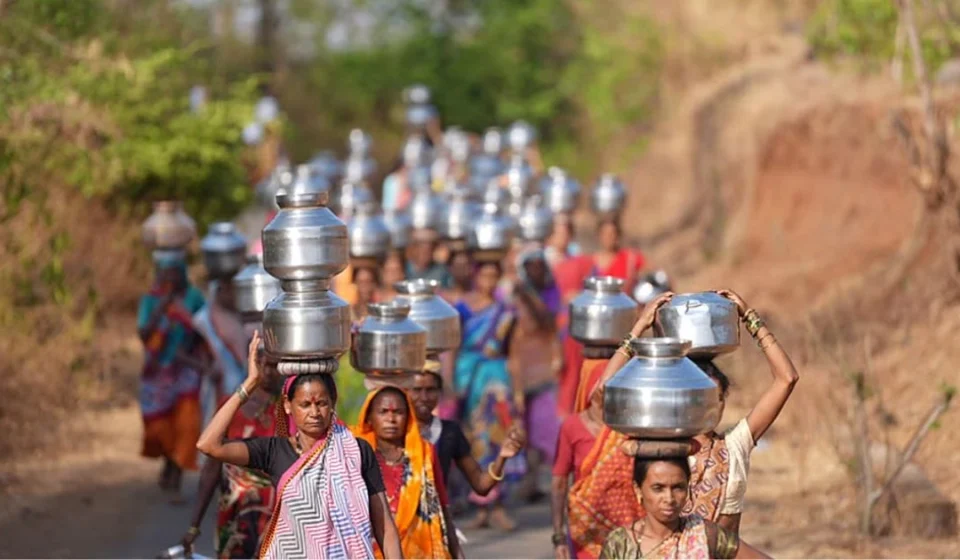
Maharashtra Rural Drinking Water Policy 2026: A New Promise for Villages

Clean drinking water is important for every family. Every village should have access to it. To make this possible, the Maharashtra government has introduced the Rural Drinking Water Policy 2026. The state cabinet recently approved this policy.
The goal is to provide safe and regular drinking water to people living in rural areas. In this article, we explain the policy in a simple and easy-to-understand way. Let’s take a look.
Maharashtra Rural Drinking Water Policy 2026: The Basics
The Maharashtra Rural Drinking Water Policy 2026 has been approved by the state cabinet under the leadership of Devendra Fadnavis.
The main aim of the policy is to provide safe, good-quality, and reliable drinking water to people living in villages. The government wants to ensure that rural areas have enough drinking water throughout the year.
This policy is not just a temporary solution. Instead, it focuses on long-term planning and sustainable water management to reduce water shortages in rural Maharashtra for years to come. This marks an important change from short-term relief measures to permanent solutions.
A Strong Tie to Jal Jeevan Mission 2.0
The policy will work together with the Jal Jeevan Mission. Under Jal Jeevan Mission 2.0, the government will prepare a proper plan for the maintenance and repair of rural water supply schemes.
This will help keep existing water systems in good condition and ensure they continue to provide clean drinking water. The aim is to improve the performance of older schemes and make sure that every village benefits from a reliable water supply.
Key Highlights You Should Know
The policy includes several important features that aim to improve drinking water supply in rural areas. Here are the main highlights:
Water Source Protection:
The policy encourages rainwater harvesting, reuse of wastewater, and the restoration of traditional water sources. This will help villages become less dependent on external water supplies.
Water Charges:
Monthly household water charges have been standardised and will range from ₹150 to ₹400. This is part of the new rural water tariff system in Maharashtra.
Use of Solar Power:
The state plans to convert more than 22,000 rural water supply schemes to solar energy. This will reduce operating costs and help ensure a continuous water supply.
Digital Monitoring and Quick Support:
The government will use GIS technology and digital dashboards to monitor water schemes. Nal Jal Mitras, who are trained local plumbers, will help resolve water supply issues quickly and efficiently.
Solar Power and Rural Water Supply: Why It Matters
High electricity bills often create problems for rural water supply schemes. To address this issue, Chief Minister Devendra Fadnavis said that no water supply scheme should stop working because of unpaid electricity bills. This shows the government’s commitment to ensuring a continuous supply of drinking water.
He also highlighted the importance of meeting the central government’s standard of providing 55 litres of drinking water per person every day. The goal is to make sure that every person in rural areas has access to enough clean drinking water for their daily needs.
The New Face of Water Management in Villages
The policy gives a bigger role to local communities. The government plans to hand over the management and maintenance of rural water supply systems to Gram Panchayats and Village Water and Sanitation Committees. This will allow local bodies to take better care of water schemes and respond to problems more quickly.
The policy also focuses on providing clean drinking water to important public institutions. All schools, Anganwadis, and public health centres will be provided with safe tap water connections so that children, patients, and local residents have access to clean water.
The Bigger Picture
Maharashtra Rural Drinking Water Policy 2026 is part of a broader effort to improve rural water supply across Maharashtra. Solar power systems have already been included in the plans for 11,643 water supply schemes under the Jal Jeevan Mission. The government plans to expand this approach to even more schemes in the future.
The goal of providing clean drinking water to every village in Maharashtra is now moving beyond promises. With clear policies, better planning, and ongoing.
For more latest updates regarding recent launched schemes, stay connected with Bharat360.
Frequently Asked Questions
1) What is the Maharashtra Rural Drinking Water Policy 2026?
Ans. It is a new state policy & aims to ensure a sustainable and quality drinking water supply in villages. It focuses on long-term solutions, not quick fixes.
2) When was this policy approved?
Ans. The Maharashtra cabinet approved it on Tuesday, June 16, 2026. The cabinet was chaired by Chief Minister Devendra Fadnavis.
3) What is a Nal Jal Mitra?
Ans. Nal Jal Mitra is a certified local plumber. They help with real-time grievance redressal and system upkeep, alongside GIS dashboards.
4) Does this policy connect to Jal Jeevan Mission?
Ans. Yes. The government will prepare a comprehensive plan to maintain and repair water supply schemes under the Jal Jeevan Mission 2.0.
5) Will schools and health centres get clean water too?
Ans. Yes. Clean tap connections will be ensured for all schools, Anganwadis, and public health centres.