
Mesa School of Business is a startup-focused institute based in Bangalore. It has released its audited placement report for 2026. The report records 100 percent placements for the graduating cohort. It also shows an average CTC (cost to company) of ₹26 lakh across the batch. Meanwhile, the top 25 percent of students secured an average package of ₹36.5 lakh.
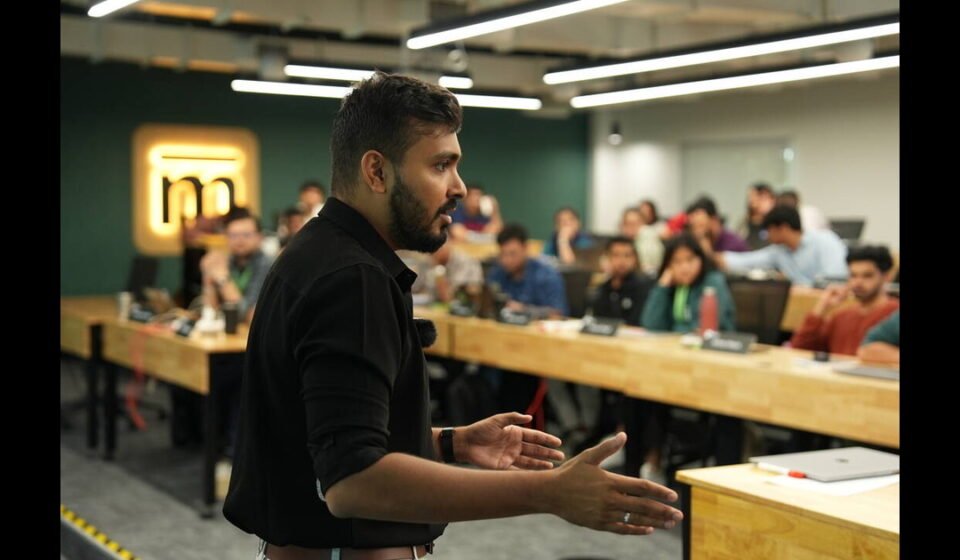
These numbers come from Mesa’s Post Graduate Programme (PGP) in Startup Leadership and Entrepreneurship. This is a 12-month, full-time residential course. It is designed around hands-on building rather than classroom-only learning. As a result, the school positions itself as an alternative to traditional MBA programmes. Its curriculum is built around founder-led teaching, in-house incubation, and real sales and product experience.
Highlights of the 2026 Report
- Placement rate: 100% of the batch placed
- Average CTC: ₹26 lakh
- Top 25% average CTC: ₹36.5 lakh
- Founder-facing roles: 58% of students placed in roles working directly with founders
- Career switchers: 69% of students moved into a new career track through the programme
- Startups incubated: 40+ ventures built through the in-house Mesa Startup Lab
- Shark Tank India: 2 student-led startups pitched on the show
Strong Push Toward Founder-Facing and Startup Roles
A standout figure in the report is that 58 per cent of the cohort landed founder-facing roles. These roles involve working closely with startup founders on strategy, growth, or operations. They differ from conventional corporate functions. In addition, 69 per cent of students used the programme to pivot into entirely new career paths. This suggests the course draws a mix of professionals looking to switch into the startup ecosystem.
Notably, every student in the batch was placed in a startup. This reinforces Mesa’s positioning as a school built specifically for the startup and venture-building world, not for traditional corporate placements.
Mesa Startup Lab Drives Entrepreneurial Outcomes
Beyond placements, the report also highlights entrepreneurial activity among students. More than 40 startups have been incubated through the Mesa Startup Lab (MSL). This is the school’s in-house incubator. It gives students access to a startup fund, mentorship from founders, and chances to pitch to venture capital firms.
Two ventures built by Mesa students went further still: they pitched on Shark Tank India. This points to the practical, build-first approach the school says is central to its teaching method.
About the Programme
Mesa’s PGP in Startup Leadership and Entrepreneurship runs for 12 months in Bangalore as a full-time residential programme. Its curriculum includes case-based classrooms, real-world business projects, founder mentorship, and a dedicated career preparation track. According to the school, its faculty includes professors from institutions such as IIM, ISB, and Kellogg. Founders and CXOs from the startup ecosystem also teach as guest faculty.
Additionally, the school has previously highlighted backing and mentorship from prominent startup founders and investors linked to well-known Indian startups.
Why It Matters
More students are now looking beyond traditional MBA and corporate placement routes. Therefore, reports like Mesa’s add to a growing conversation around alternative business education models. These models prioritize entrepreneurial skill-building, founder access, and startup-first careers over conventional placement tracks. Given its 100 percent placement figure and strong average CTC numbers, Mesa stands out as one of the newer business schools trying to carve a niche in India’s startup-education space.